

Raspberry Lime Rickey - A History
A New England summer soda fountain classic, and a symbol of childhood nostalgia

Once very popular in mom-and-pop drugstores around New England, this flavored soda is nowadays only found in some stores of Maine and Vermont and in classic roadside ice cream stands as a symbol of nostalgia.
Many will still consider it a summer classic, like this reader here, keeping the spirit of the soda drink alive.
“Lime Rickeys and Raspberry Lime Rickeys are staples in the snack bar on Star Island – one of the Isles of Shoals off the coast of Portsmouth, New Hampshire, where “shoalers” old and young go for a few days or a week each summer to enjoy retreats and conferences from religious to cultural to scientific. It’s our “spirit’s home” and a beautiful place.” — Cynthia Young

What is a Raspberry Lime Rickey
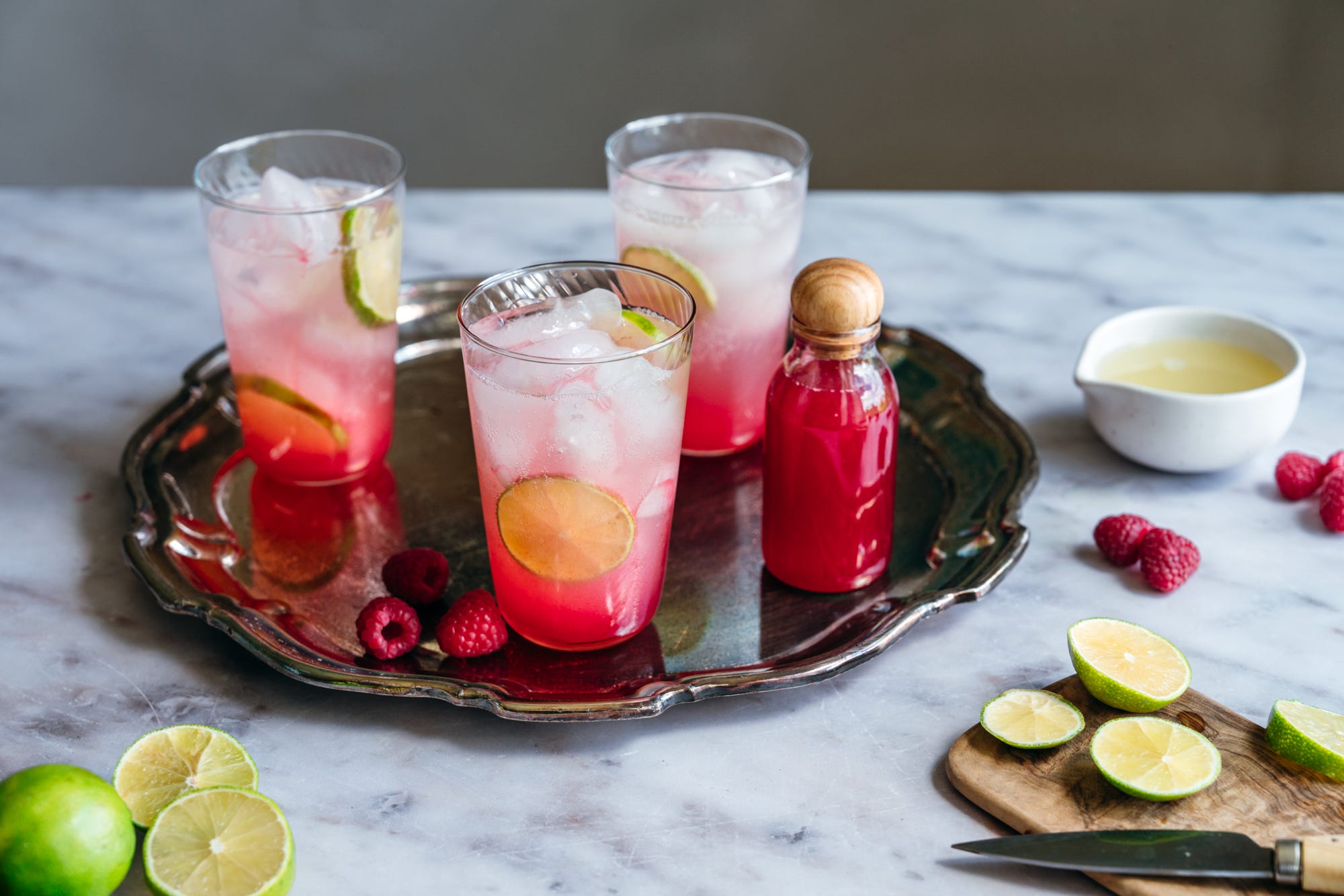
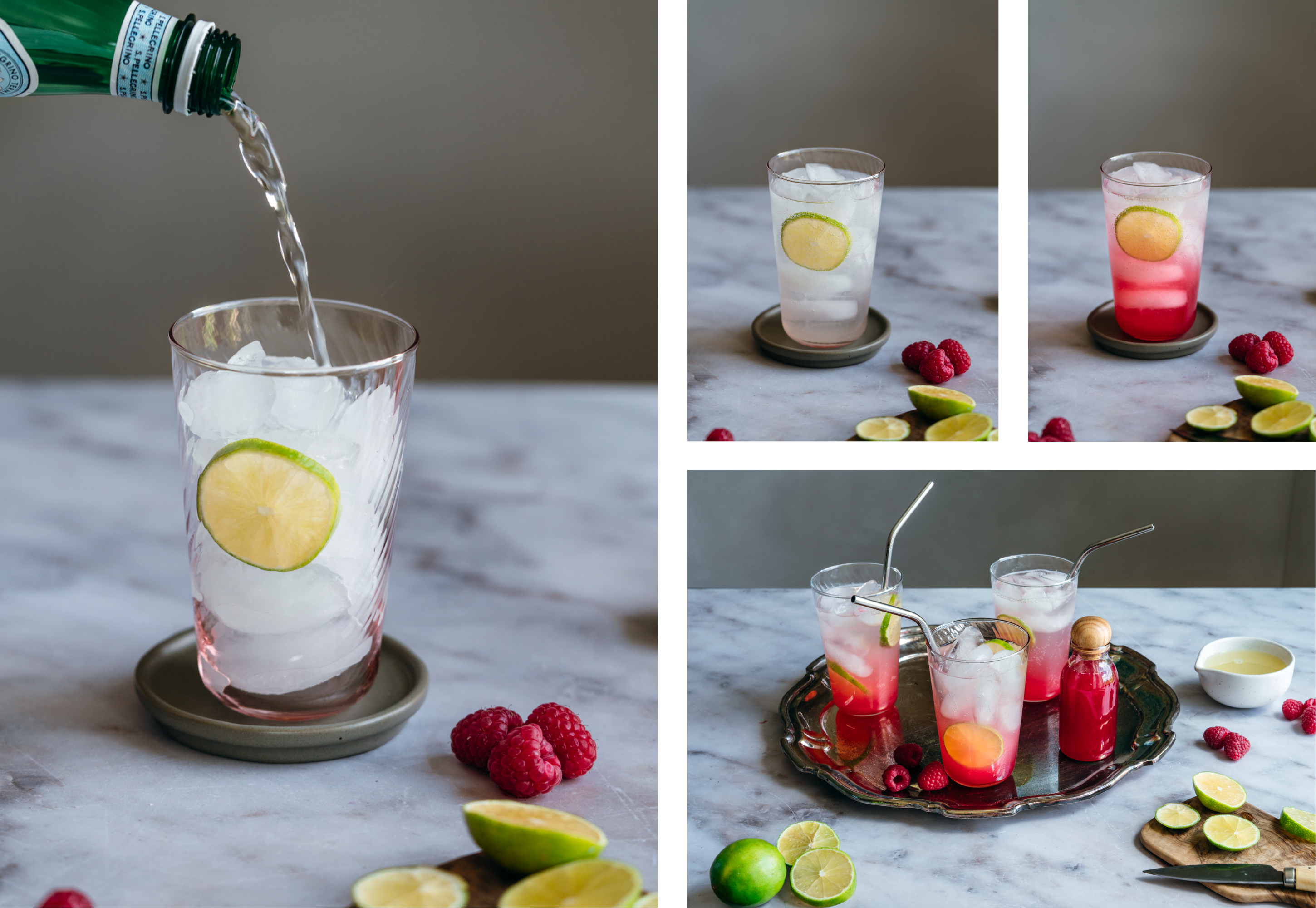
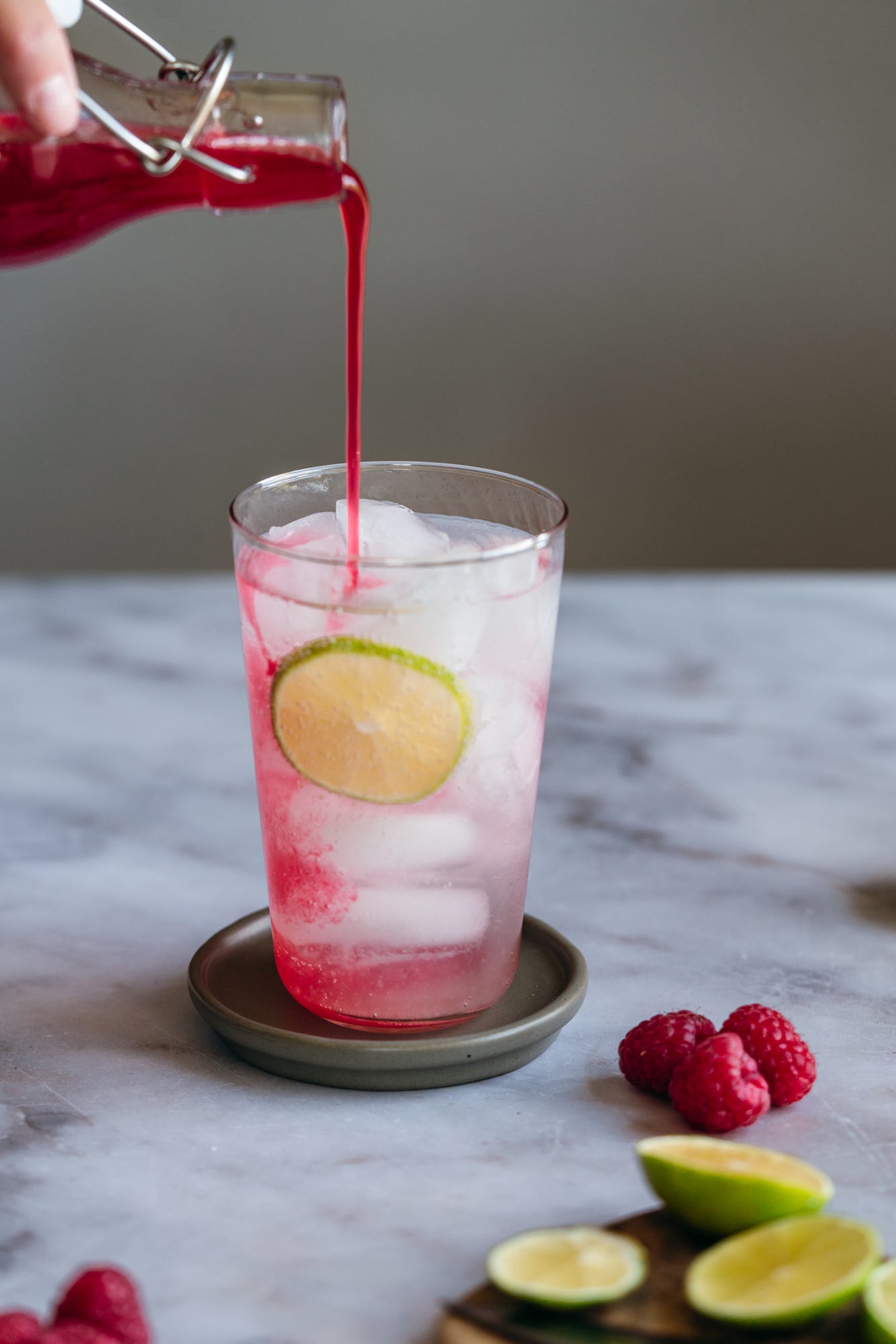
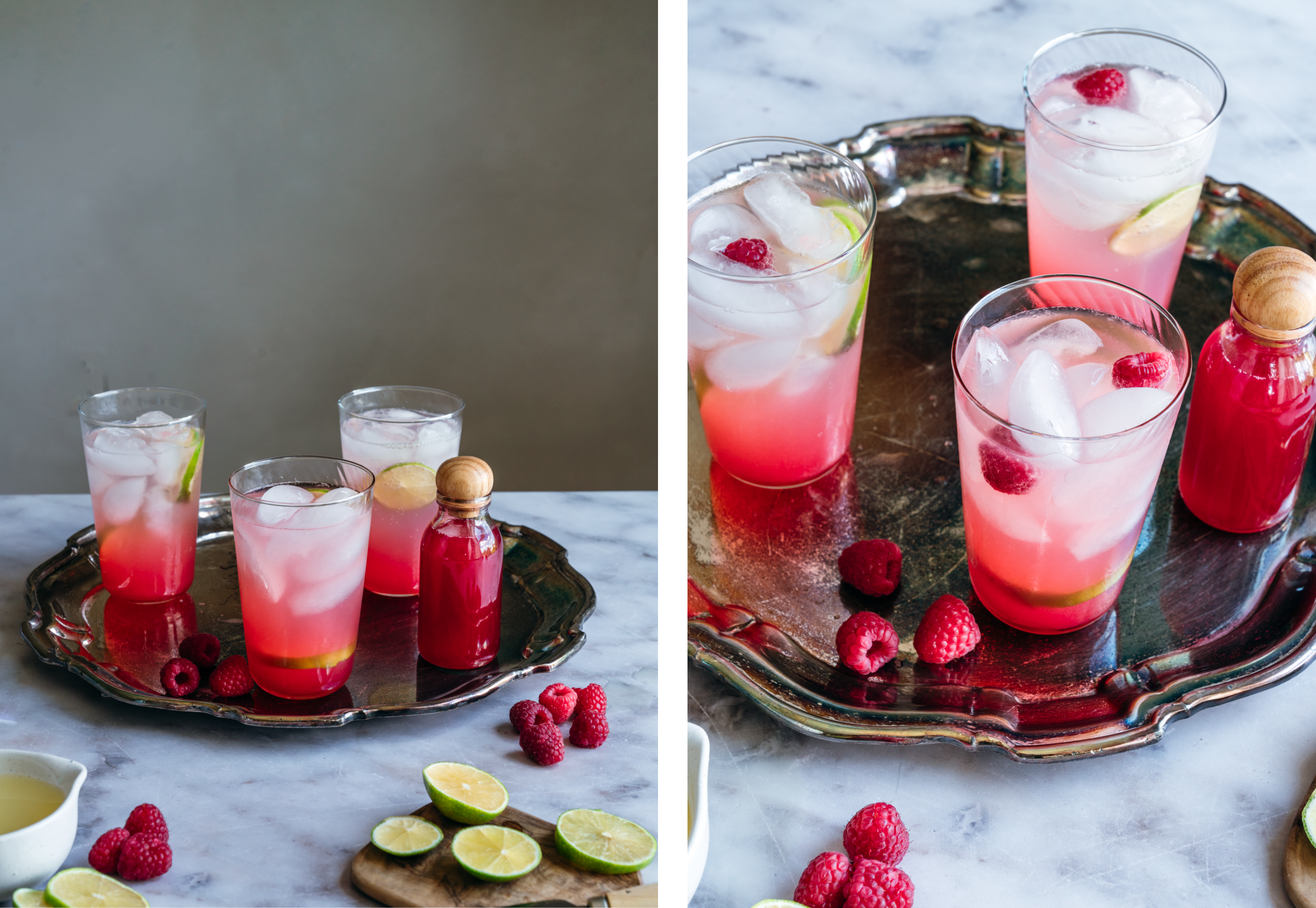
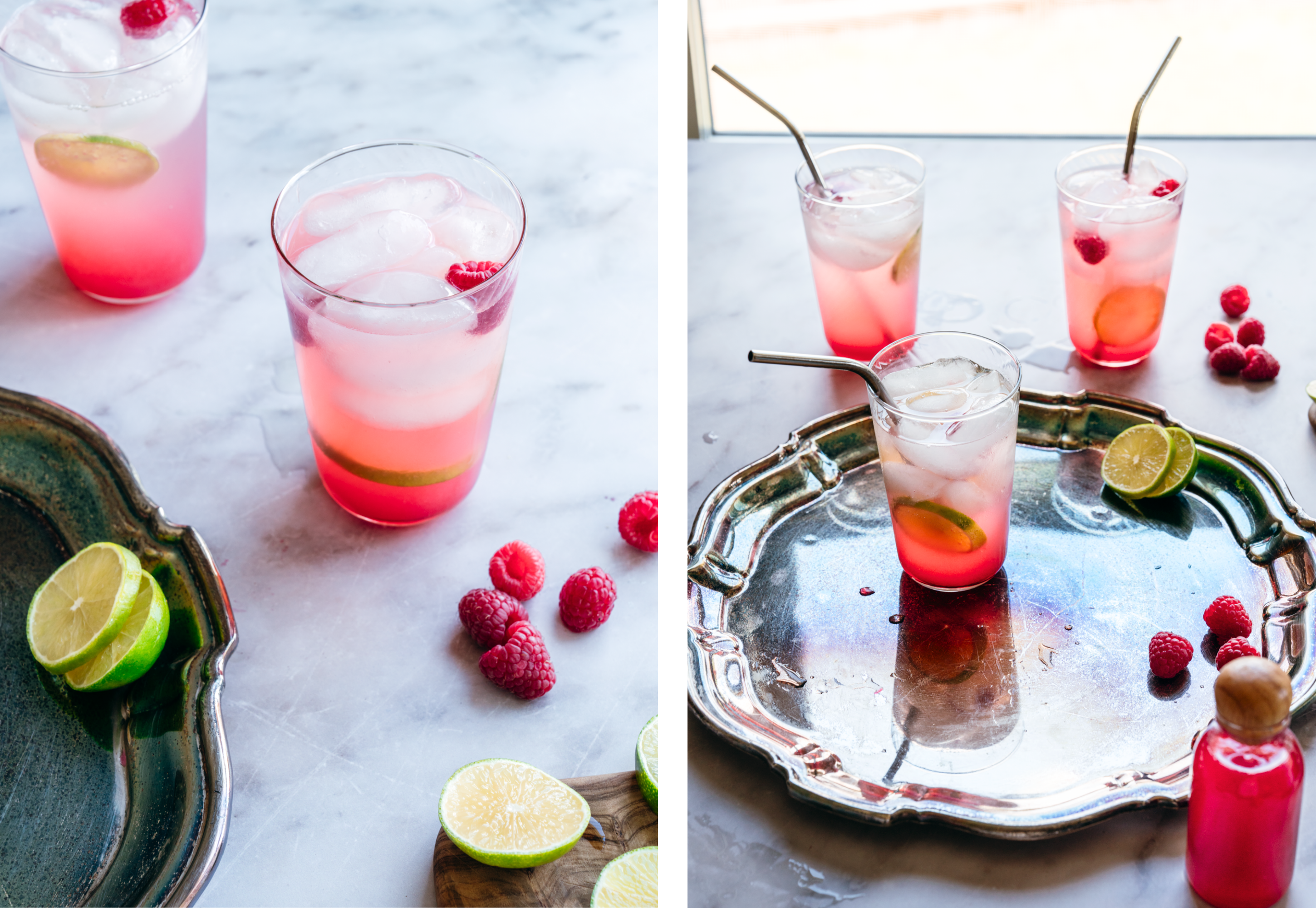
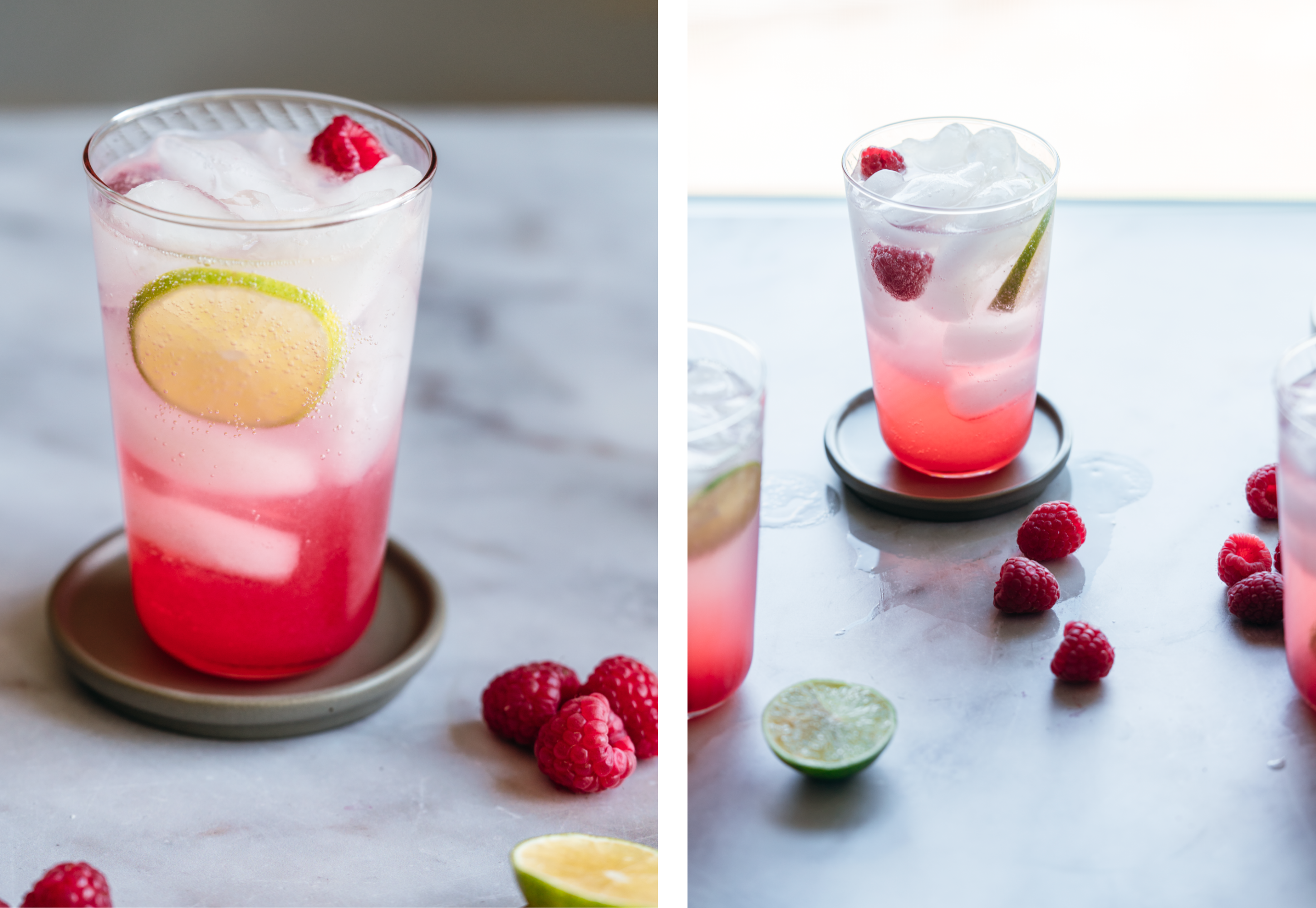
In New England, it is a non-alcoholic drink made of raspberry syrup, seltzer, and lime juice, which makes it a refreshing fizzy beverage perfect for the summer months.
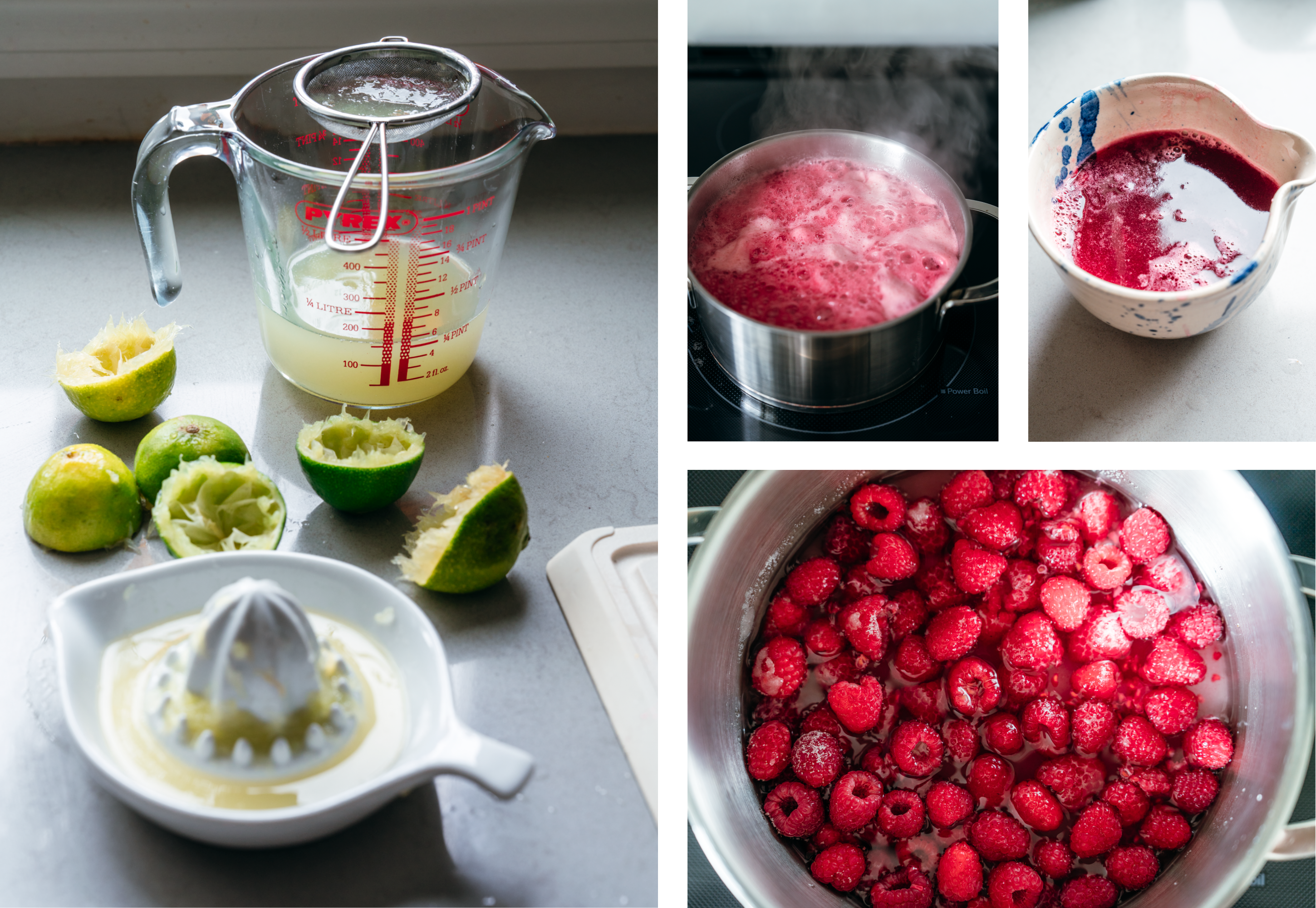
I made it myself at home following Sally Vargas’ recipe for Simply Recipes.
However, its precedent is in fact alcoholic, and it owes its name to Colonel Joseph Rickey, who — after the Civil War — moved to Washington, D.C, and hung around in different bars with politiciants. It was so often, that his preferred drink started gaining popularity, and bartenders began calling it the “Joe Rickey”. It consisted of bourbon or whiskey, seltzer water, lemon, and a hearty chunk of ice.
Although the Colonel was not so happy that he’d be remembered for a drink rather than for his career, it became so popular that all bartenders in the area knew about it. Eventually, it spread even further into the country, and at some point lime replaced lemon.
The Rickey was among the classic bar repertoire until bars were closed up by Prohibition (from 1920-1933). Bourbon and whiskey became illegal, but the drink lived on in a different form.
When was it created
The mocktail version of the drink was a forced step that people learned to enjoy so much that when Prohibition was over, the original “Joe Rickey” didn’t return, but the soda version remained.
Bethany Bourgault, writer for New England Magazine says: “People noticed that the mocktail version tasted just as ‘adult’ as the cocktail version. (Many say the the lime helped it retain its signature bitter kick.) For years, the Lime Rickey served as a cultural stand-in for alcoholic beverages.” She adds, “The new version was sweet, tangy, and much ‘fancier’ than regular soda.”
In New England, people added raspberry syrup to their version — a very common local summer berry— and the Raspberry Lime Rickey was born.
Soda water: From medicine to national drink
Carbonated water was a happy accident by Joseph Priestley, an English clergyman and scientist who in 1767 created the concoction in a brewery in Leeds, England. He lived next to that brewery, and, using it as his lavoratory, began experimenting with the gas that bubbled from the fermentation chambers. He found a way to dissolve the gas —carbon dioxide— into the water, creating an “exceedingly pleasant sparkling water.”1
Priestly presented his findings to the Royal Society in London in 1772 and published a book the same year titled Impregnationg Water with Fixed Air. It was believed that carbonated water had medicinal benefits, and Thomas Henry, an apothecary from Manchester, took the chance to sell the sparkling water in his pharmacy as medicine. He was the first to commercialize it, and also the first to recommend drinking it with sugar, water, and lemon juice — essentially inventing fizzy lemonade.
During the 1790s, scientinsts and businesmen across Europe commercialized artificial mineral waters, with particular success for Nicholas Paul, a mechanic from Geneva, and Jacob Schweppe, a financier. By 1800 their company was exporting bottled sparkling water to other countries. They eventually parted ways, and Schweppe’s mildly carbonated water — which was believed to best imitate natural mineral water — became the favorite of the British population.
Some new artificial mineral waters were created by using sodium bicarbonate, which gave the name to soda water. This not only became a broad term to define all artificial mineral waters but also the preferred version in the United States. Interested in the medicinal properties of mineral water, renowned people — such as George Washington— would visit famed natural springs like the ones in Saratoga, a town in upstate New York.
Benjamin Silliman, the first professor of chemistry at Yale University, began making his own soda water after a trip to Europe in 1805. Overwhelmed by his friend’s demands, he told an associate: “Finding it quite impossible with my present means to oblige as many as call upon me for soda water, I have determined to undertake the manufacture of it on the large scale as it is done in London.”2 And so he began selling bottled soda water in 1807 in New Haven, Connecticut.
The next to contribute to the culture of American soda water was Joseph Hawkins in Philadelphia, who found a way to serve the mineral water through a fountain. He wanted to imitate the spas in Europe built over natural springs, where the mineral water could be dispensed directly into a glass. The spa setting didn’t catch on in the United States, but the soda fountain became a staple in apothecaries’ shops, where you could drink the mineral water on the spot instead of having to buy a bottle.
It soon departed from the original health frame to become an enjoyable refreshment, especially when mixed with lemonade and specially made syrups.
Tom Standage, author of A History of the World in 6 Glasses, says:
“Syrups were originally handmade from mulberries, strawberries, raspberries, pineapples, or sarsaparilla. Special dispensers were added to soda fountains, which started to become increasingly elaborate. Blocks of ice were added to chill both the soda water and the syrups. By the 1870s the largest soda fountains were enormous contraptions.”3
The soda water business eventually became industrialized and produced a cheap drink in large quantities, consumed by poor and rich alike. Author Mary Gay Humphreys wrote in 1891 for Harper’s Weekly:
“The crowning merit of soda-water, and that which fits it to be the national drink, is its democracy. The millionaire may drink champagne while the poor man drinks beer, but they both drink soda water.”
Northeastern nostalgia
Soda water drinks reached a new peak of popularity when alcohol became illegal, and even after Prohibition, they remained a symbol of American family life. In New England, soda fountains featuring the Raspberry Lime Rickey could be found everywhere.
Readers commented on this New England Magazine piece:
“I remember going to the JJ Newberry soda fountain counter back in the early 60’s in Bellows Falls, VT, and getting a Lime Rickey for 10¢ — and you got to keep the tall green glass it came in!” — Deborah Smith
“Met my husband over a Raspberry Lime Rickey at a Brigham’s Ice Cream Shop in Wollaston, MA, in 1959. A great drink.” — Gail
“I also remember the soda counter at Cole’s Drug Store in Dedham, MA! The one and only place that I recall having a Raspberry Lime Rickey on the menu. And biking was the favorite mode of transportation there in the ’60s as well.” — Claire
“Such fond memories of stopping at the Merlin Pharmacy on Warwick Avenue in Warwick, RI. The soda fountain counter was a great stop for a Lime Rickey while walking home from school, or riding our bikes there for that favorite refreshing drink. I think we paid 55 cents for it in the late 60’s.” — Heather Lynch
“I grew up in Quincy. My parents are from Southie and Dorchester, and they introduced the Lime Rickey to us kiddos at a young age. I can’t remember a summer without the refreshing drink. Now I’m on the West Coast and mourn everything East Coast. There is something about drinking a Lime Rickey there back home that makes it taste so good.” — Karla
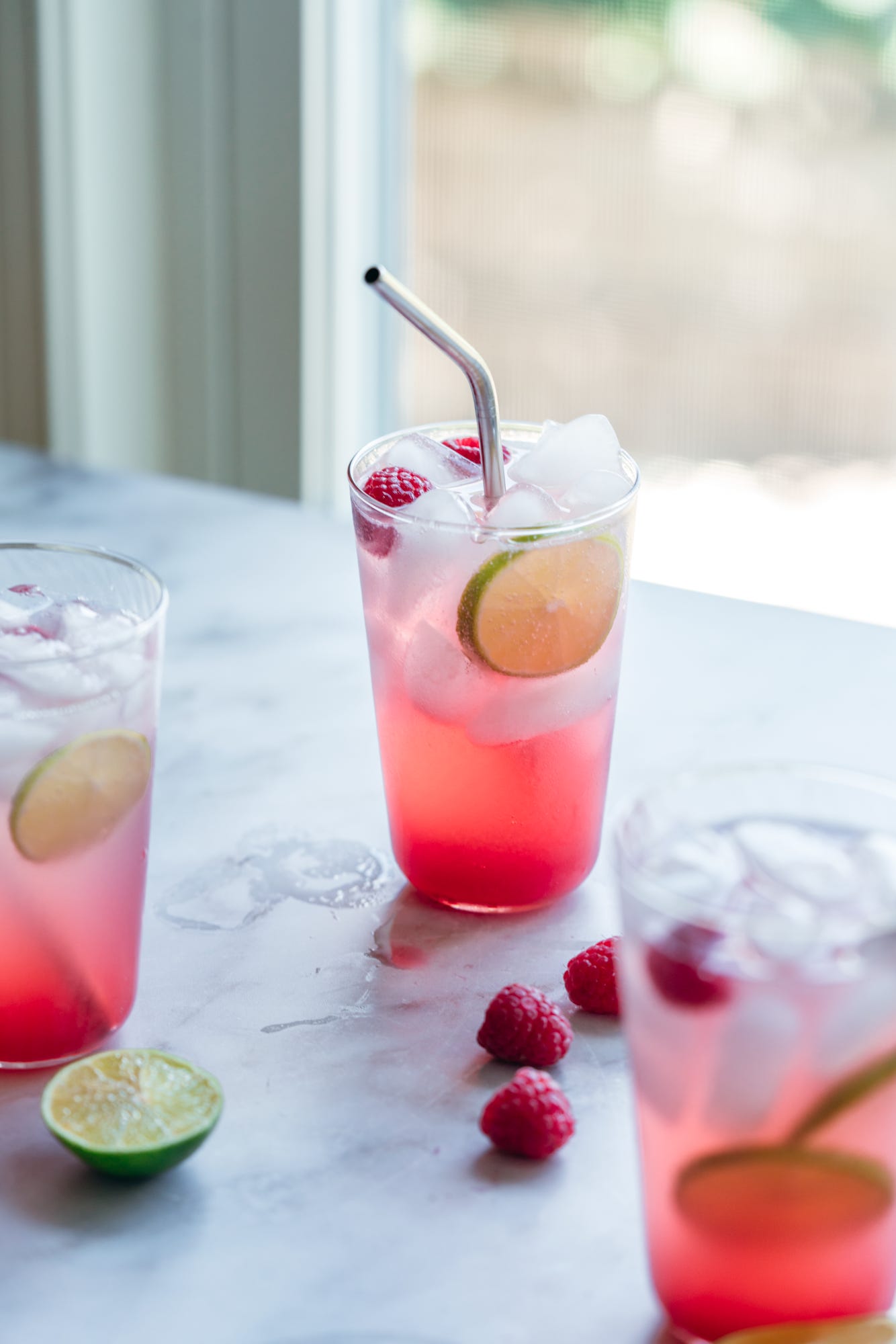
There are many more similar stories around the Internet — people reliving their childhood memories of getting a sweet and tangy Raspberry Lime Rickey after school, or as a treat when they accompanied their mom to run errands downtown.
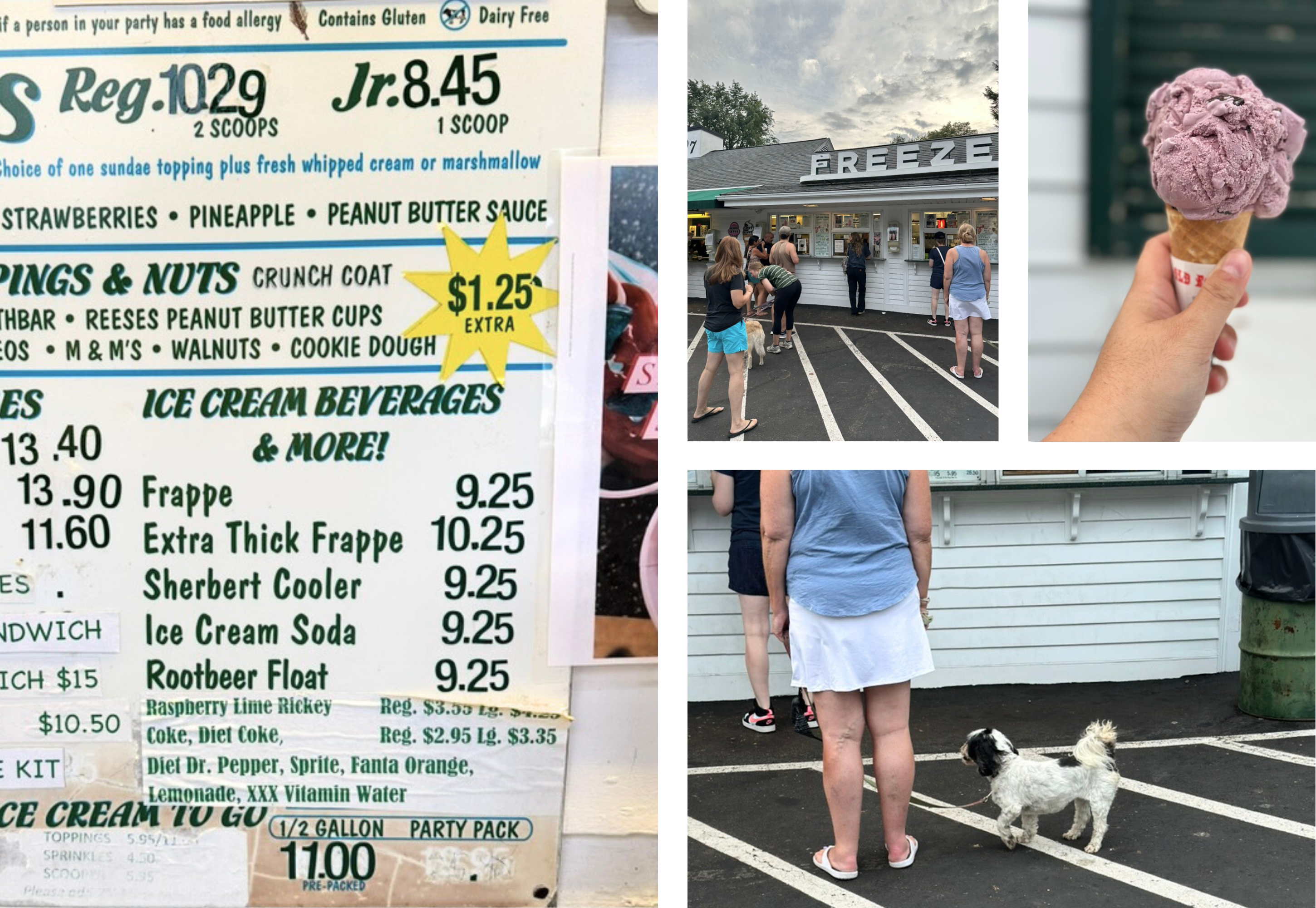
Nowadays, most of the drugstores from these memories are long shut, replaced by large shopping malls that drive people away from town centers. Some vestiges of this nostalgic past remain, though. In several small roadside ice cream shops I have seen the Raspberry Lime Rickey on the menu — often written in a smaller font than other, more popular items, but still there, like a memory that lingers, never really gone.
Standage, A History of the World in 6 Glasses, 226.
Standage, A History of the World in 6 Glasses, 230.
Standage, A History of the World in 6 Glasses, 231.
The photos are lovely: such a talented capture of the feeling of refreshment and scent.
Eli, we need to meet at Bubbling Brook sometime! It’s minutes from my house!